Is Whitewater Rafting in Colorado Safe? (Risks + Tips)
Is whitewater rafting safe in Colorado? This is one of the most frequently asked questions by families, couples, and adventure seekers planning a summer mountain trip in the Rockies. Whitewater rafting offers thrilling rides through dramatic canyons with stunning mountain scenery. However, like many adventure activities, it does carry inherent risks. The good news is that thousands of people enjoy rafting safely in Colorado every summer when they make smart choices.
The level of risk depends heavily on whether you choose a guided trip, which river section you raft, your experience level, and how well you prepare. This guide answers the question, “Is whitewater rafting safe in Colorado?” It also explains the real risks, and shares practical rafting safety tips to help you plan a safe and enjoyable experience.
Blog: Read our Ultimate Guide to Colorado Whitewater Rafting
How Dangerous Is Whitewater Rafting in Colorado?
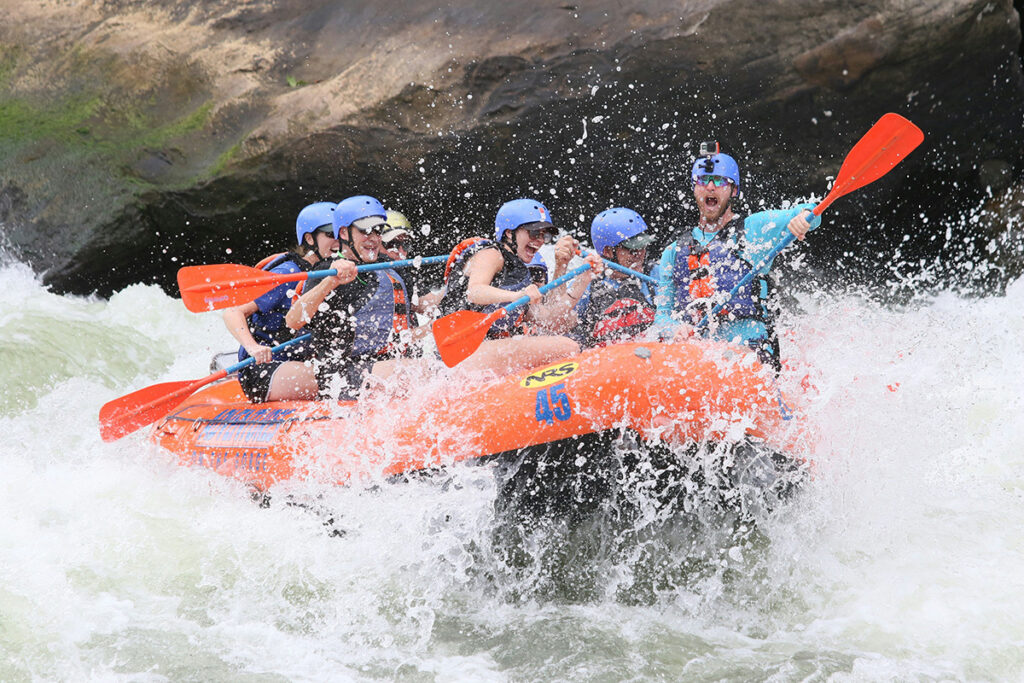
Whitewater rafting is an adventure sport, so it is never completely risk-free. Common risks include falling out of the raft, getting tossed around in rapids, swimming through whitewater, and colliding with rocks or obstacles. In rare cases, more serious incidents such as injuries or near-drownings can occur.
How dangerous is whitewater rafting Colorado depends on several key factors. Higher water levels in early summer create more powerful rapids and faster currents. Cold mountain water can cause cold shock if you fall in. Changing weather, slippery rocks, and fatigue also play a role.
Most rafting accidents Colorado happen on self-guided or private trips rather than commercial guided rafting. Common contributing factors include attempting river sections that are too difficult for the group’s skill level, not wearing life jackets properly, poor decision-making, and lack of experience reading rivers.
For context, commercial guided rafting on popular rivers like the Arkansas River and Clear Creek has a strong overall safety record when participants follow instructions. The activity is generally more intense than a calm scenic float but much safer than many people initially fear — provided you choose the right type of trip.
Learn more: Guided vs Self-Guided Rafting in Colorado: What You Need to Know
Guided Rafting Safety
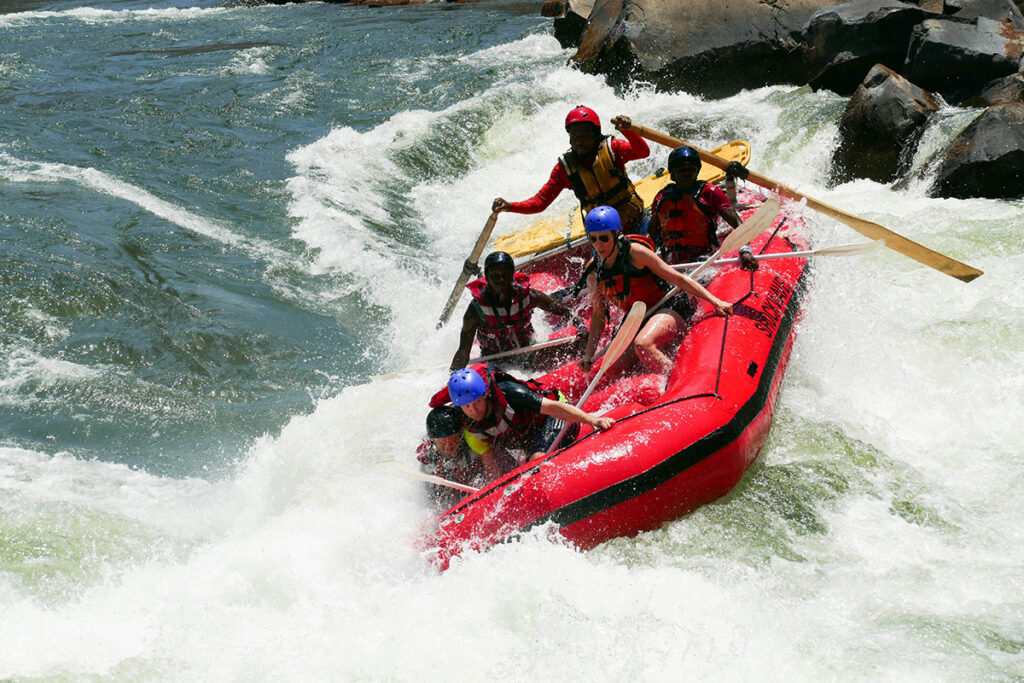
Guided rafting safety stands out as the best option for the majority of visitors to Colorado. When you book with a professional outfitter, experienced guides handle navigation, safety, and logistics while you focus on having fun.
Licensed rafting companies in Colorado must meet state safety standards. Their guides receive training in swiftwater rescue, first aid, CPR, and river-specific knowledge. They carefully assess water levels and weather conditions each day and adjust plans accordingly.
Guided trips offer several important safety advantages:
- Guides provide a detailed safety briefing and teach paddle commands before launching.
- They choose the safest route through rapids and help keep the raft stable.
- High-quality safety gear, including properly fitted life jackets and helmets, is supplied and inspected.
- In the unlikely event someone falls in, guides are trained to perform swift rescues quickly.
This approach makes guided rafting especially suitable for families, beginners, and groups with mixed experience levels. Popular safer sections include family-friendly stretches on the Arkansas River such as Bighorn Sheep Canyon and parts of Browns Canyon, as well as beginner sections on Clear Creek near Denver.
Planning tips: Family-Friendly Whitewater Rafting in Colorado
Learn more: Best Rivers for Whitewater Rafting in Colorado (Ranked by Experience Level)
Rafting Safety Tips
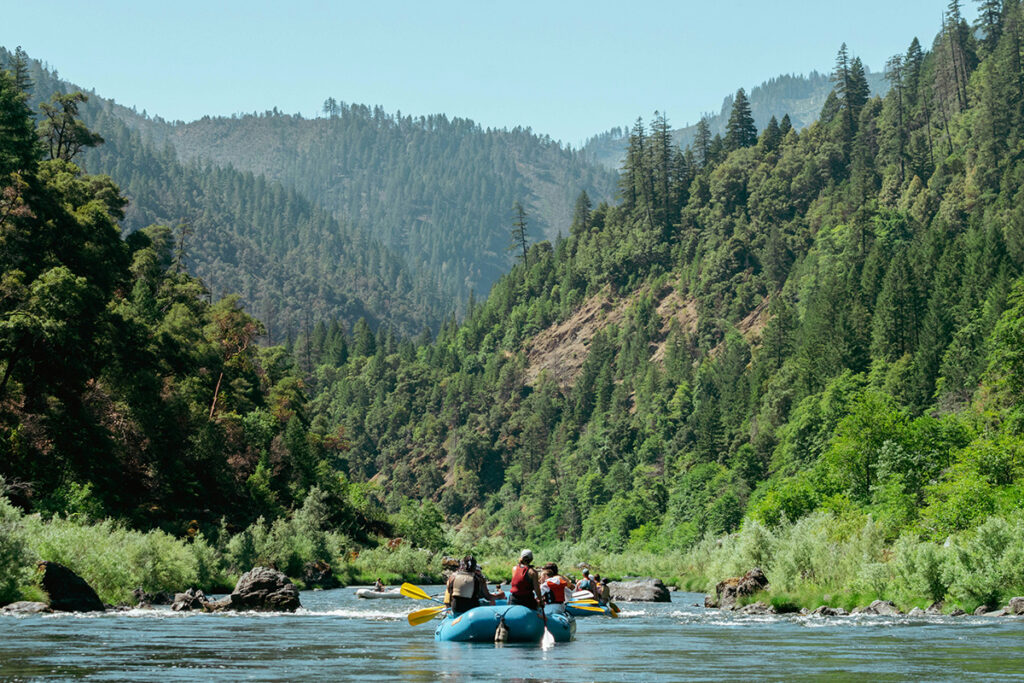
Following good rafting safety tips dramatically increases your chances of having a safe and fun trip. Here are the most important practices every rafter should follow:
- Choose guided trips if you are a beginner or have children. Self-guided rafting is significantly riskier and only recommended for experienced paddlers with strong whitewater skills.
- Listen carefully to the safety briefing. Pay attention to paddle commands, what to do if you fall out, and the proper “swimmer position” (feet downstream, head up, arms crossed over your chest).
- Wear all safety gear correctly. Your life jacket should fit snugly and never be removed while on the water. Always wear a helmet on Class III and above rapids.
- Match the river difficulty to your group’s ability. Beginners should start with Class II or III rapids. Save Class IV and V runs for experienced rafters only.
- Follow your guide’s instructions at all times. Guides know the river best and may change plans based on current conditions.
- Avoid alcohol and drugs. These impair judgment and reaction time and are major factors in many rafting incidents.
- Dress appropriately for cold water. Even in summer, mountain rivers stay cold. Wear quick-dry layers, water shoes with good grip, and a wetsuit or splash jacket when recommended.
- Stay hydrated and communicate. Mountain air and physical activity can lead to fatigue quickly. Let your guide know if you are feeling tired or uncomfortable.
- Learn basic safety rules for beginners. Know how to swim aggressively toward the raft or shore if needed, and never stand up in shallow, moving water where your foot could get trapped.
By following these rafting safety rules for beginners and heeding your guide, you can greatly reduce your risk while still enjoying the excitement of the rapids.
Tips: What to Wear and Bring for Whitewater Rafting in Colorado
Additional Safety Considerations
Several other factors deserve attention when planning your trip. Outfitters have minimum age and weight requirements for good reason — they help ensure everyone can safely participate. Health conditions such as heart problems, recent surgeries, or limited mobility should be discussed with the outfitter in advance.
River choice matters significantly. Some sections, like the Royal Gorge on the Arkansas River, feature intense Class IV and V rapids and are better suited for confident, experienced rafters. In contrast, many stretches on the Arkansas River and Clear Creek offer enjoyable rapids with much lower risk.
If you are considering self-guided rafting, the risks increase substantially. You become fully responsible for equipment, navigation, safety, and emergency response. Only highly experienced groups with prior whitewater training and swiftwater rescue knowledge should attempt DIY rafting in Colorado.
When planning your summer mountain vacation, consider combining rafting with other activities. Many visitors enjoy a guided rafting trip in the morning followed by a relaxed afternoon visiting mountain towns, hot springs, or scenic drives.
More: Colorado Rafting by Skill Level: Beginner to Expert Guide
Where to go: Top Colorado Rafting Destinations (Towns & Regions)
Colorado Whitewater Rafting Deals
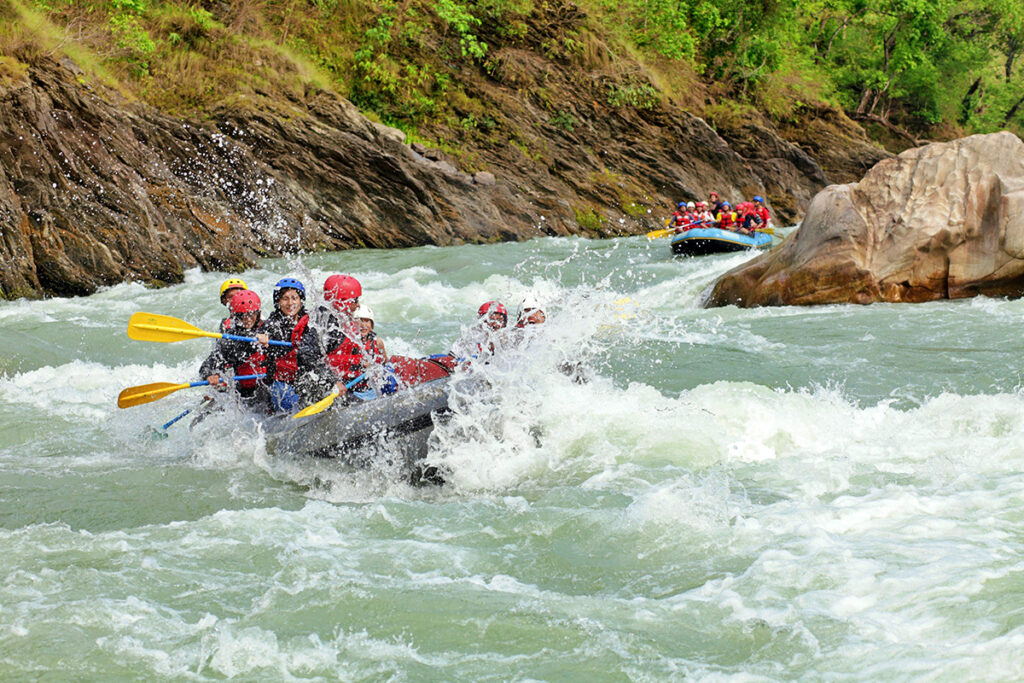
Planning a Colorado rafting adventure? Make it even better with exclusive deals, discounts, and promo codes designed to stretch your budget. Explore our current Colorado whitewater deals and discover how easy it is to save on your perfect summer mountain getaway.