Ultimate Guide to Colorado Whitewater Rafting
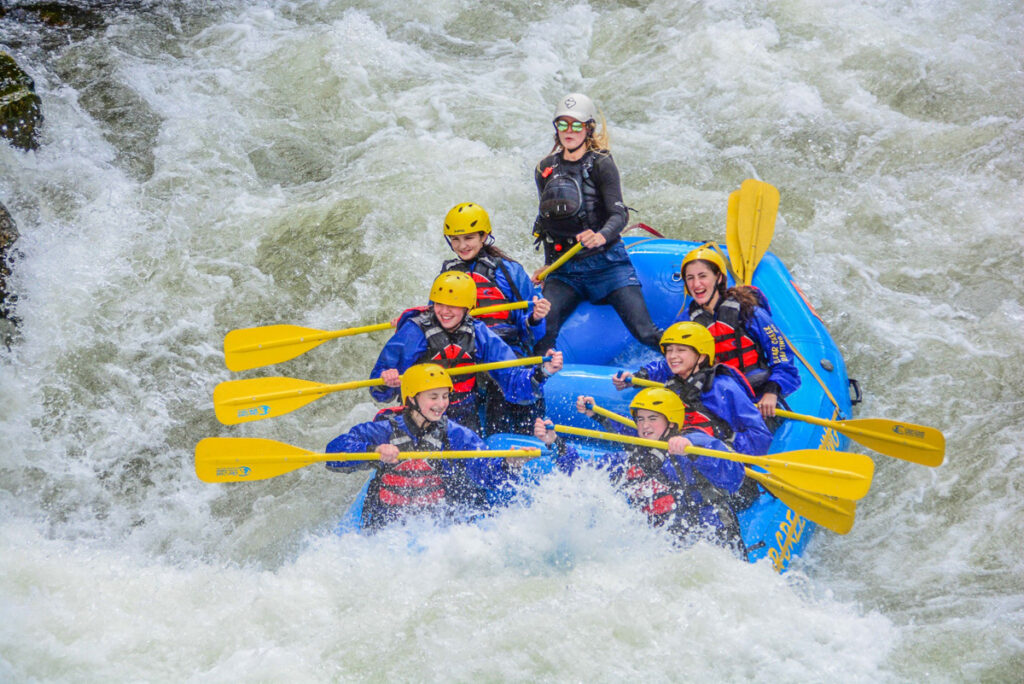
Imagine plunging through crashing waves in a narrow granite canyon, snow-capped Rocky Mountain peaks towering above you, while your raft bounces and spins with every rapid. Laughter mixes with the roar of the river as cold spray hits your face. This is Colorado whitewater rafting — one of the most thrilling and accessible summer adventures in the United States.
Colorado stands out for its incredible variety of whitewater rafting trips. From gentle Class II floats perfect for families and first-timers to heart-pounding Class IV–V expert runs, the state delivers something for every skill level and group type. Whether you’re searching for the best rafting in Colorado near Denver, planning a family vacation, or chasing adrenaline on legendary sections like Royal Gorge or Browns Canyon, the Rocky Mountains provide a stunning backdrop that elevates every trip.
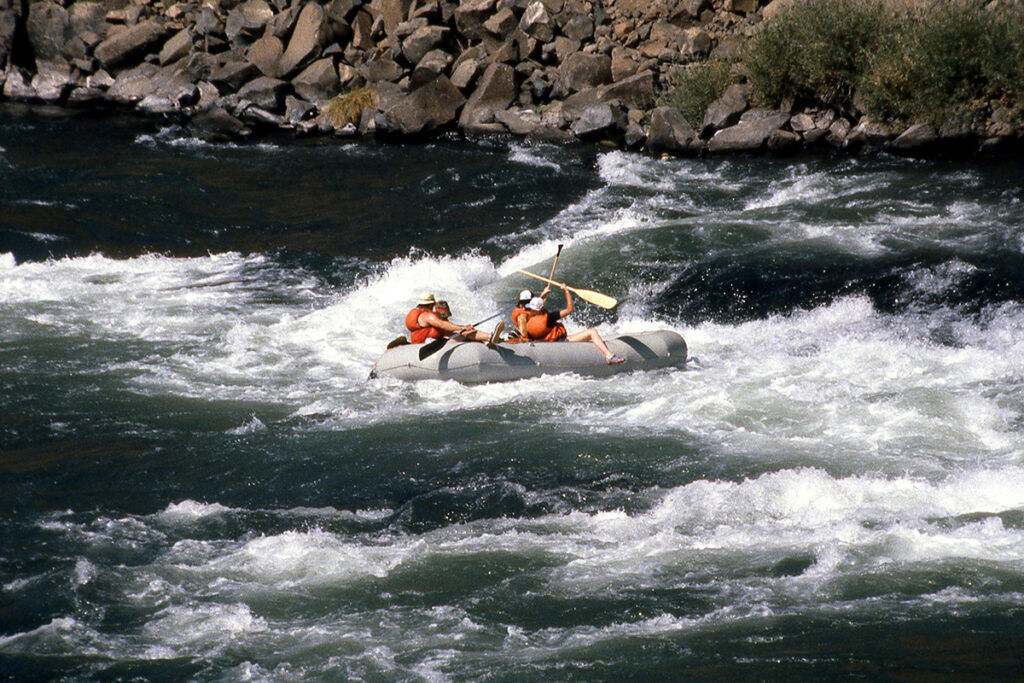
The rafting season in Colorado typically runs from late May through early September, driven by snowmelt from high peaks. Water levels, rapid intensity, air and water temperatures, and crowd levels shift dramatically throughout the summer, making timing one of the most important decisions you’ll make.
What You’ll Find Here
Our Ultimate Guide to Colorado Whitewater Rafting serves as your complete Colorado river rafting guide. Inside, you’ll find clear answers to the questions every traveler asks:
- When is the best time to go whitewater rafting in Colorado?
- How do beginner vs advanced rafting options compare?
- What should you expect on a typical trip?
- How much does it cost, and which rivers and towns offer the best experiences?
We’ll cover everything from choosing the right river by experience level to safety tips, what to wear, family-friendly options, guided vs. self-guided choices, and the top rafting destinations (including convenient spots near Denver).
Whether you’re a complete beginner wondering if Colorado rafting is safe for beginners, a family looking for kid-friendly floats, or an experienced paddler seeking expert runs, this pillar page gives you the big-picture strategy to plan an unforgettable summer mountain vacation.
Use the table of contents below to jump to the sections most relevant to you, then dive deeper into our supporting guides for detailed planning.
Table of Contents
- What You'll Find Here
- 1. Why Colorado is One of the Best Places for Whitewater Rafting in the US
- 2. Understanding Whitewater Rafting Difficulty Levels in Colorado
- 3. Best Rivers for Whitewater Rafting in Colorado (Ranked by Experience Level)
- 4. When Is the Best Time to Go Whitewater Rafting in Colorado?
- 5. How Much Does Whitewater Rafting in Colorado Cost?
- 6. Family-Friendly Whitewater Rafting in Colorado
- 7. What to Wear and Bring for Whitewater Rafting in Colorado
- 8. Is Whitewater Rafting in Colorado Safe? (Risks + Tips)
- 9. Guided vs Self-Guided Rafting in Colorado: What You Need to Know
- 10. Top Colorado Rafting Destinations (Towns & Regions)
- 11. Planning Your Perfect Colorado Whitewater Rafting Trip
- 12. Frequently Asked Questions (FAQ)
- Is Colorado rafting safe for beginners?
- When is the best time to go whitewater rafting in Colorado?
- What is the minimum age for rafting in Colorado?
- How much does whitewater rafting in Colorado cost?
- Do I need a wetsuit for rafting in Colorado?
- What should I wear and bring rafting?
- Is it better to go guided or self-guided?
- What class rapids are in Colorado?
- What to expect rafting in Colorado?
- Best rafting near Denver?
- 13. Colorado Whitewater Rafting Deals
Ready to hit the river? Let’s start with why Colorado ranks among the top whitewater destinations in the country.
1. Why Colorado is One of the Best Places for Whitewater Rafting in the US
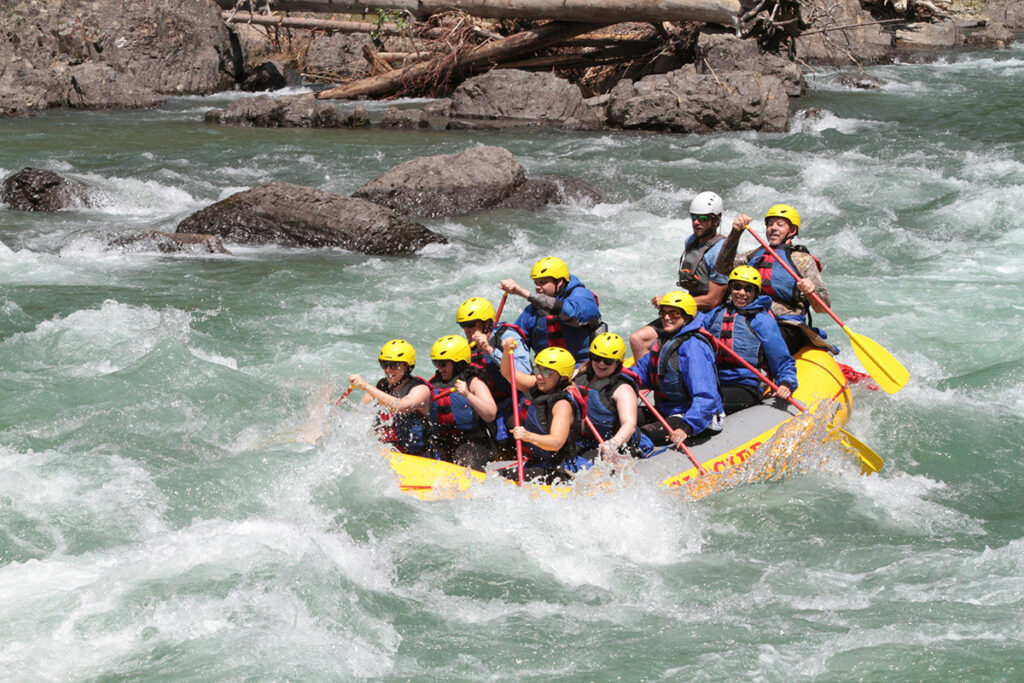
Colorado offers some of the finest and most diverse whitewater rafting opportunities in the United States. Its high-elevation Rocky Mountains create reliable snowmelt-fed rivers that deliver everything from relaxing scenic floats to technical, high-commitment whitewater — all within a relatively compact geographic area.
What makes Colorado whitewater rafting special?
- Variety of experiences: Rivers feature sections suitable for total beginners (Class II), families (easy Class III), intermediate thrill-seekers (Class III), and experts (Class IV–V). You can find gentle introductory trips and world-class expert runs in the same state.
- Stunning scenery: Most trips wind through dramatic canyons with towering granite walls, pine forests, and views of 14,000-foot peaks. Wildlife sightings (bighorn sheep, eagles, deer) are common.
- Accessibility: Several premier rivers, such as Clear Creek, sit just 30–45 minutes west of Denver, making rafting near Denver one of the easiest day-trip adventures in the Rockies. Other hubs like the Arkansas River Valley (Buena Vista, Salida, Cañon City) and Glenwood Springs are 2–3 hours from the Front Range.
- Charming base towns: Rafting towns combine adventure with relaxation — hot springs, artsy downtowns, breweries, and hiking trails let you turn a single raft trip into a full summer vacation.
- Guided trip convenience: Professional outfitters handle logistics, safety, and equipment, making the sport approachable even for first-timers.
Compared to other Western states, Colorado’s rivers are often more accessible for short trips while still offering high-quality whitewater. The season is shorter and more snowmelt-dependent than some desert rivers, but the intensity and mountain setting more than compensate.
Quick Self-Assessment: Is Colorado Rafting Right for Your Group?
- First-timers or families with young kids → Yes (choose Class II–III sections).
- Mixed experience levels → Yes (many outfitters accommodate groups well).
- Adrenaline seekers → Absolutely (Royal Gorge, The Numbers, Upper Animas).
- Looking for convenience from Denver → Yes (Clear Creek is ideal).
No matter your background, thoughtful planning turns a good trip into a highlight of your Colorado vacation. The key is matching the river, difficulty, timing, and trip style to your group’s goals.
For a full ranked list of the best options by experience level, see our dedicated guide: Best Rivers for Whitewater Rafting in Colorado (Ranked by Experience Level)
2. Understanding Whitewater Rafting Difficulty Levels in Colorado
One of the most important parts of planning any Colorado whitewater rafting trip is understanding river difficulty. Colorado uses the International Scale of River Difficulty, which classifies rapids from Class I (easiest) to Class V (expert), with Class VI generally considered unraftable.
Here’s a practical breakdown tailored to Colorado rivers:
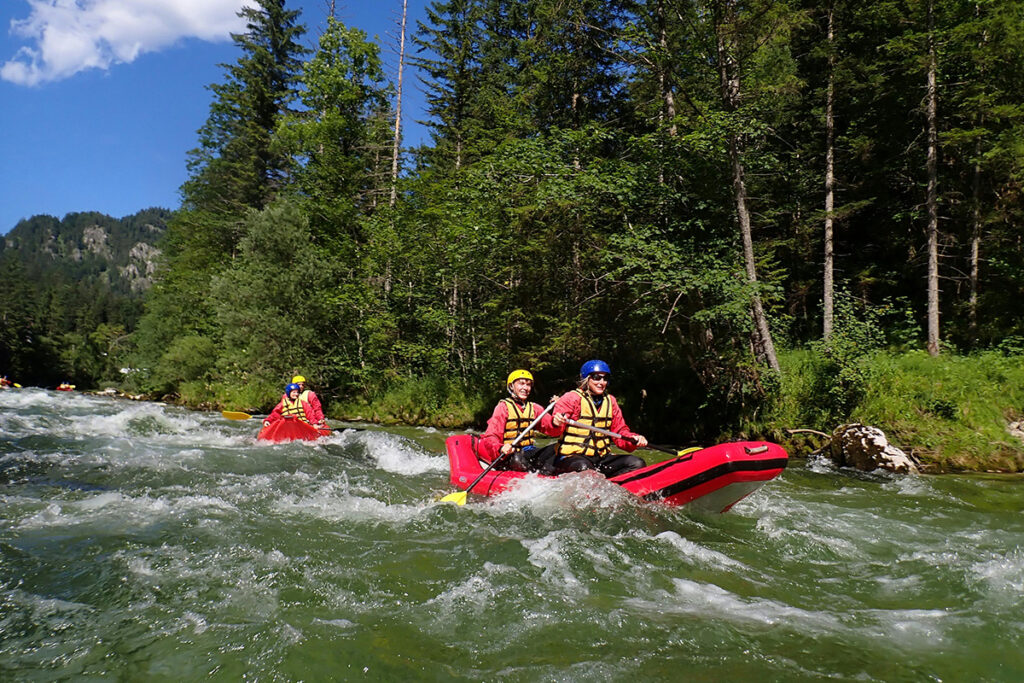
- Class I–II (Beginner / Easy): Small waves, gentle turns, straightforward navigation. Ideal for first-timers and families. Examples include sections of the Lower Animas River near Durango and calmer stretches of the Upper Colorado River near Glenwood Springs.
- Class III (Intermediate / Moderate): Larger waves, bigger drops, and obstacles that require teamwork and basic paddling. Most popular commercial trips fall here. Browns Canyon on the Arkansas River and Shoshone Rapids on the Upper Colorado are classic examples.
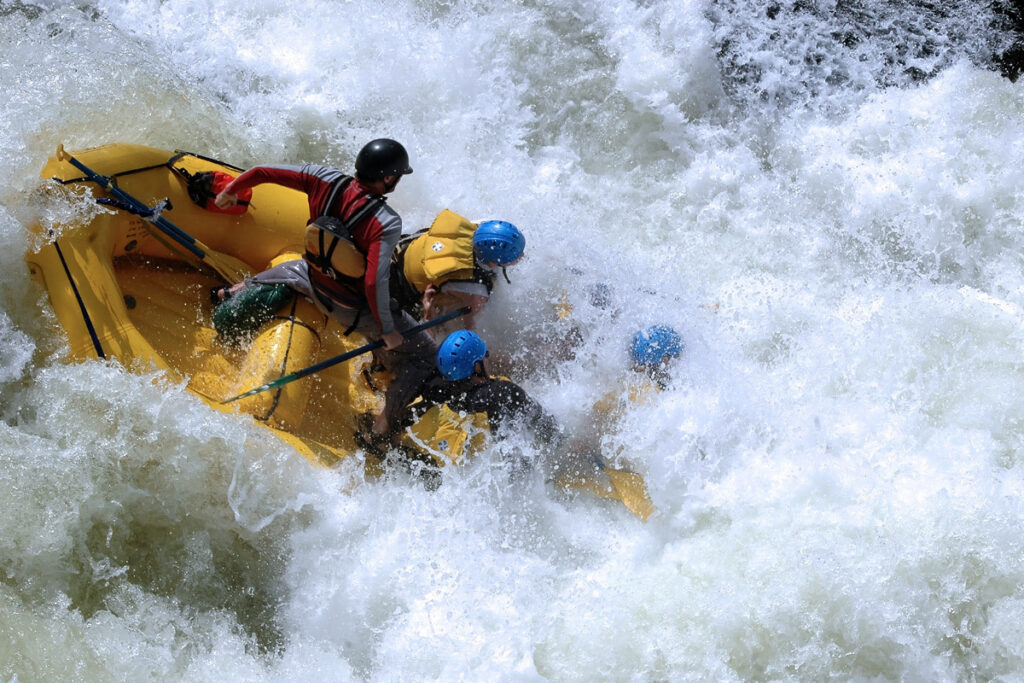
- Class IV (Advanced / Difficult): Powerful, technical rapids with tight maneuvers and significant consequences for mistakes. Royal Gorge and The Numbers on the Arkansas River are well-known Class IV–V sections.
- Class V (Expert): Extremely challenging, continuous whitewater with high risk. Reserved for highly experienced rafters (often on the Upper Animas or select stretches of Clear Creek and Royal Gorge).
Most commercial whitewater rafting trips in Colorado run Class II through Class IV sections. Outfitters adjust minimum ages and recommendations daily based on water levels.
Beginner vs Advanced Rafting in Colorado
Beginners and families should start with Class II and easy Class III runs. These deliver fun splashes and excitement while remaining safe and manageable with professional guides. Is Colorado rafting safe for beginners? Yes — when you choose the right section and book with a reputable outfitter.
Advanced and expert rafters seek Class IV–V rapids for continuous action, technical moves, and bigger thrills. These runs demand prior experience, strong swimming skills, and mental focus.
What to Expect Rafting in Colorado by Skill Level
- Beginners: Short briefings, guide-led navigation, plenty of calm sections between rapids, and high emphasis on fun and safety.
- Intermediate: More active paddling, bigger waves, and opportunities to practice commands.
- Advanced/Expert: Continuous rapids, precise maneuvering, and higher physical/mental demands.
Decision Framework for Choosing Difficulty
- Honest assessment of experience and group fitness.
- Consider ages and swimming comfort.
- Factor in water levels (higher early-season water increases difficulty).
- Prioritize guided trips for anyone new to the sport.
Matching difficulty to your group is the foundation of a safe, enjoyable trip. For a deeper breakdown of Class I–V rapids with Colorado examples and recommendations by skill level, read our full guide: Colorado Rafting by Skill Level: Beginner to Expert Guide
3. Best Rivers for Whitewater Rafting in Colorado (Ranked by Experience Level)
Colorado boasts an outstanding lineup of rivers that cater to every paddler. The best rivers for whitewater rafting in Colorado are typically ranked by the International Scale and practical factors like accessibility, scenery, and consistency.
Here’s a high-level overview grouped by experience level (detailed rankings and specific sections are in the linked spoke article):
Top Rivers for Beginners & Families
- Clear Creek (near Idaho Springs): One of the most accessible options, just 30–45 minutes from Denver. Offers gentle Class II and easy Class III rapids through a scenic forested canyon — perfect for first-timers combining rafting with Front Range sightseeing.
- Bighorn Sheep Canyon on the Arkansas River (near Cañon City): Mild Class II–III with beautiful scenery and forgiving sections. A top choice for young families.
- Upper Colorado River near Glenwood Springs: Scenic Class II–III floats through dramatic Glenwood Canyon, easily paired with hot springs visits.
- Lower Animas River near Durango: Relaxed Class II runs right through town.
Best Intermediate Rivers
- Browns Canyon on the Arkansas River (between Buena Vista and Salida): Often called one of the best all-around sections in the state. Fun Class III rapids with exciting drops and granite cliffs.
- Shoshone Rapids on the Upper Colorado River: More continuous Class III action with bigger waves.
- Middle Animas River near Durango: A solid step up with technical Class III features.
Best Advanced & Expert Rivers
- Royal Gorge on the Arkansas River: Dramatic Class IV–V run framed by 1,000-foot granite walls. Powerful, technical, and visually stunning.
- The Numbers on the Arkansas River: Continuous Class IV rapids demanding precision and quick reactions.
- Upper Animas River: Remote, high-commitment Class IV–V whitewater best suited for experienced expeditions.
How to Choose the Right River
Consider these key factors:
- Skill & Experience: Match Class level to your group.
- Group Composition: Families with young kids do best on Bighorn Sheep Canyon or Clear Creek.
- Location: Clear Creek wins for rafting near Denver; the Arkansas River Valley offers charming mountain town bases.
- Desired Thrill: Max excitement → Royal Gorge or The Numbers. Relaxed fun → Upper Colorado or Lower Animas.
- Time of Year: Early summer (higher water) intensifies rapids across all rivers.
Pro Tip: Always be honest with outfitters about your experience level during booking. Professional guides make a huge difference in safety and enjoyment.
For the full ranked list with more details on each section, pros/cons, and current recommendations, visit: Best Rivers for Whitewater Rafting in Colorado (Ranked by Experience Level)
4. When Is the Best Time to Go Whitewater Rafting in Colorado?
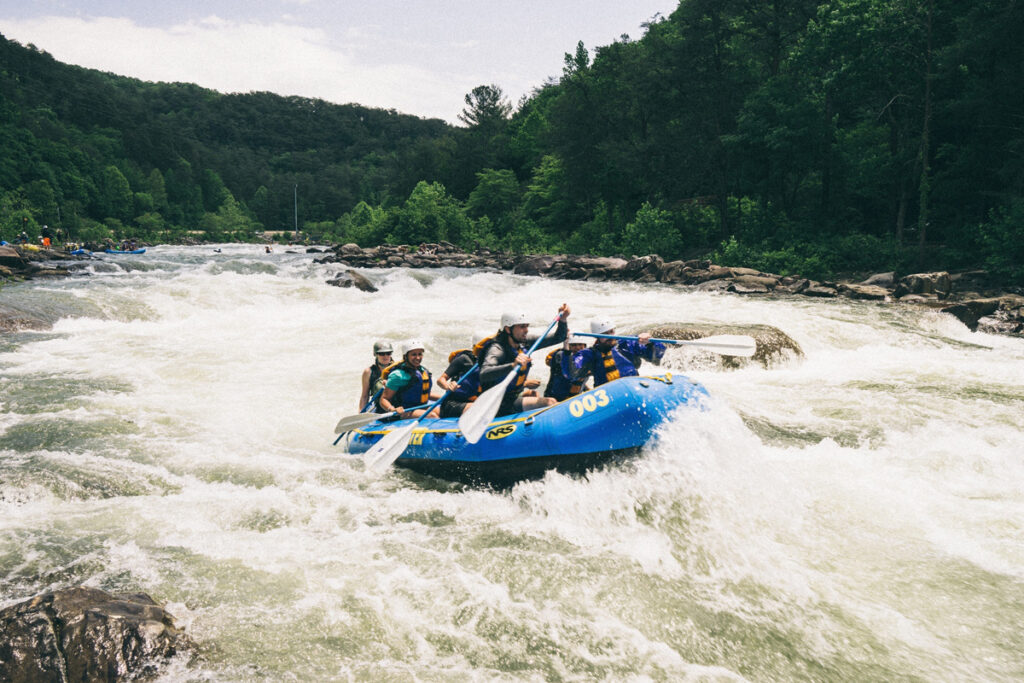
Timing can dramatically shape your Colorado whitewater rafting experience. Water levels, rapid power, temperatures, and crowds all vary throughout the short rafting season in Colorado, which generally runs from late May through early September.
The season is driven by Rocky Mountain snowmelt. Higher early-season flows create bigger, more powerful rapids; later months bring warmer water, milder rapids, and more comfortable conditions.
Month-by-Month Overview
- Late May to Early June (Early Season / High Water): Peak snowmelt delivers the strongest rapids of the year. Expect cold water (often 45°F or lower), powerful currents, and thrilling rides. Best for experienced rafters seeking maximum whitewater action. Minimum ages may be higher due to stronger flows.
- June (Peak Runoff): Often the time when rapids are strongest in Colorado. Big waves and continuous whitewater attract adrenaline seekers. Weather improves but water remains cold; crowds begin to build.
- July (Peak Popularity): Widely considered the best overall time for most visitors. Water levels moderate while remaining fun, air and water temperatures warm up, and days are long. Excellent balance for families, beginners, and mixed groups. This is when many people enjoy the best rafting in Colorado for comfort and reliability.
- August to Early September (Late Season): Lower, clearer water shifts the focus toward scenic beauty and relaxing floats. Warmest temperatures make this ideal for families with younger children, photography, and budget-conscious travelers. Crowds thin and prices may drop.
Colorado Rafting in May vs July
Early season (May–early June) offers higher, faster water and bigger thrills but colder conditions and less predictability. July provides warmer, more stable weather and moderate rapids that suit a broader range of ages and abilities — making it far more family-friendly.
When Are Rapids Strongest in Colorado?
Typically late May through mid-to-late June during peak snowmelt. Higher flows create larger waves and more technical challenges. As levels drop in July and August, many rapids become smoother and more predictable.
Other Key Factors
- Crowds: July and weekends are busiest. Late August/early September offers quieter trips.
- Weather: Afternoon thunderstorms are common in summer.
- Booking: Peak dates (June–July) fill quickly — reserve months ahead.
- 2026 Note: With below-average snowpack in many areas, the high-water window may be shorter and peak earlier; dam-supported sections like parts of the Arkansas may provide more consistency. Always check current conditions with outfitters.
Choosing the Best Time for Your Group
- Maximum thrill & big water → Late May to mid-June
- Best balance (comfort + fun) → July
- Warmer weather, milder rapids, better value → August–early September
No single “best” month exists — the right time depends on your priorities, experience level, and group composition.
For a complete month-by-month breakdown, comparisons, and planning tips tailored to different traveler types, read the full article: When Is the Best Time to Go Whitewater Rafting in Colorado?
5. How Much Does Whitewater Rafting in Colorado Cost?
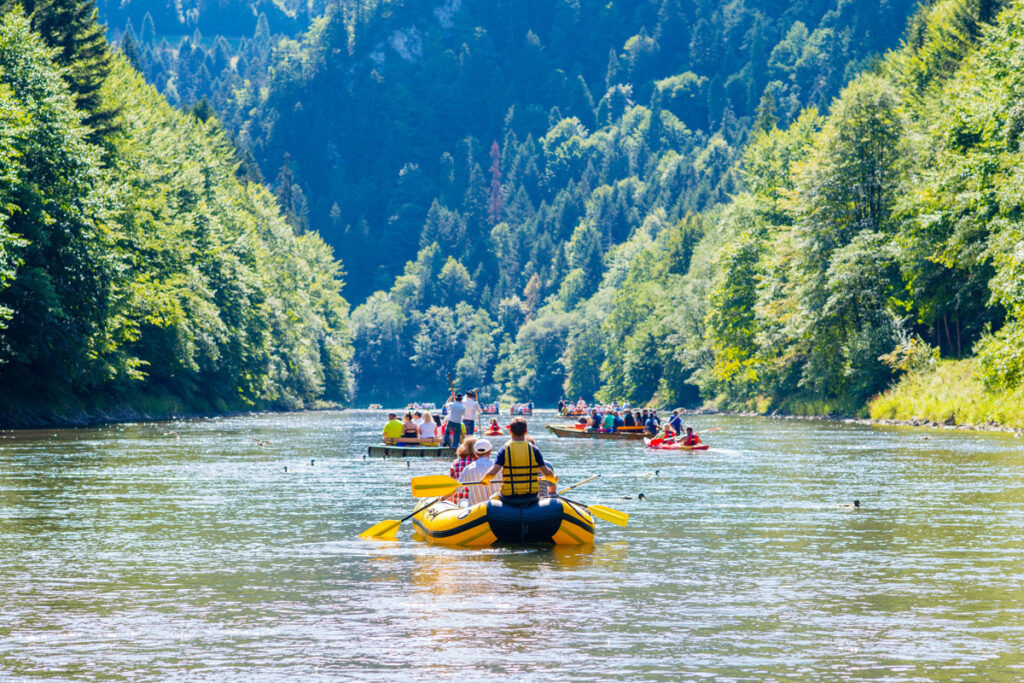
Understanding the real cost is essential when planning your Colorado whitewater rafting trip. Prices are generally reasonable compared to other guided mountain adventures, but they vary based on trip length, river choice, timing, and group setup.
Average Cost of Rafting in Colorado
Most visitors book guided half-day or full-day trips. Current average prices typically fall in these ranges:
- Half-day guided trips: $65 – $110 per person
- Full-day guided trips: $120 – $200 per person
These rates usually include professional guides, all necessary safety gear (life jackets, helmets, paddles), basic transportation to the put-in, and sometimes lunch on full-day trips. Multi-day rafting packages with camping and meals range from $300 to $600+ per person.
Prices tend to be lower on weekdays and during shoulder months (late May or early September) and higher on weekends and peak summer weeks in June and July.
Half Day vs Full Day Rafting Price
Half-day trips (2–4 hours on the water) are the most popular choice for good reason. They fit easily into a busy vacation schedule, cost less, and work especially well for families and first-timers. They’re ideal if you want to combine rafting with other activities like visiting hot springs or mountain towns.
Full-day trips (6–8 hours) offer more time on the river, a greater variety of rapids, and often include a riverside lunch. They provide a more immersive experience but require more physical energy and come at a higher price. For most first-time visitors and families, half-day trips deliver the best balance of cost, time, and enjoyment.
Factors That Affect Colorado Rafting Cost
Several variables influence the final price:
- River and section: Beginner trips on Clear Creek near Denver are often among the more affordable options. Dramatic or technical sections like Royal Gorge usually cost more due to higher guide ratios and difficulty.
- Timing: Weekday and shoulder-season trips are noticeably cheaper.
- Group type: Private (exclusive) rafts cost more than joining a shared trip. Larger groups sometimes qualify for discounts.
- Add-ons: Wetsuit rentals, professional photos, waterproof cameras, or extra transportation can increase the total.
Is Whitewater Rafting Expensive?
Compared to other summer activities in Colorado (such as guided hikes, zip-lining, or helicopter tours), rafting offers strong value. A half-day guided trip often costs less per hour than many other adventure options while delivering high excitement and beautiful scenery.
How to Find the Cheapest Rafting Trips in Colorado
- Book half-day trips on weekdays
- Choose shoulder season dates
- Compare multiple outfitters in the same area
- Join group (public) trips instead of private ones
- Bring your own water shoes and splash jacket to avoid rental fees
- Look for early-bird deals or multi-activity packages
Smart planning and flexibility can save you $20–$50 per person without sacrificing safety or quality.
For a complete cost breakdown, current price examples by river, and more money-saving strategies, see our detailed guide: How Much Does Whitewater Rafting in Colorado Cost?
6. Family-Friendly Whitewater Rafting in Colorado
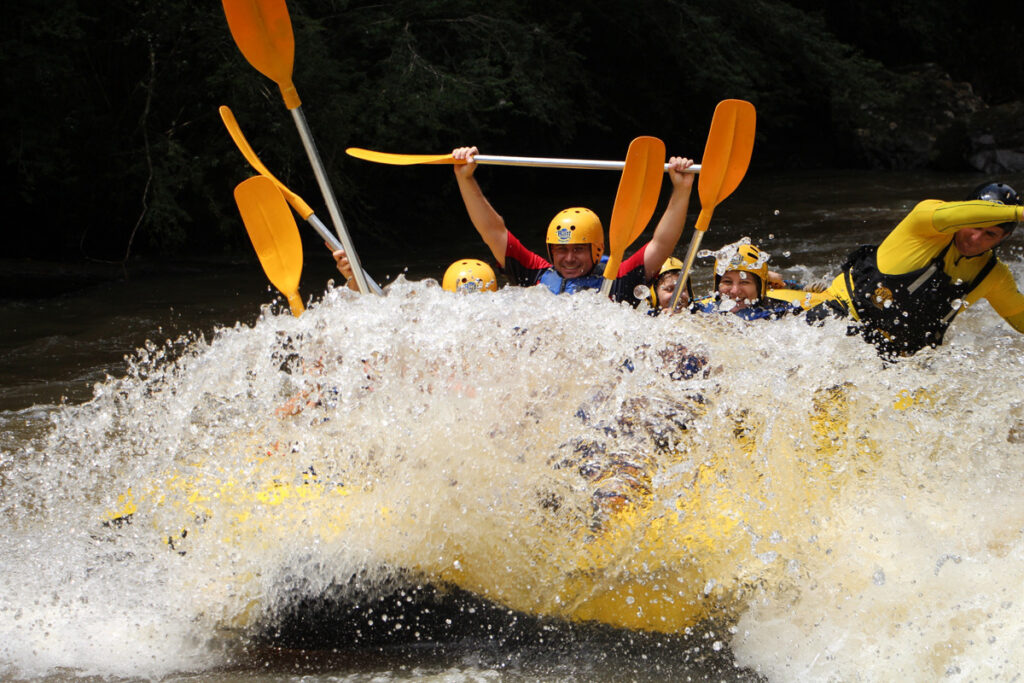
Colorado excels at family whitewater rafting. With a good mix of gentle to moderate rapids and professional outfitters, the state offers safe and exciting experiences that kids and parents can enjoy together.
Why Colorado is Great for Family Rafting
Many rivers feature forgiving Class II and easy Class III sections with plenty of calm water between rapids. The stunning Rocky Mountain scenery adds wonder to the trip, while guided tours allow parents to relax knowing trained professionals handle navigation and safety. Family rafting builds teamwork, confidence, and creates memories that last a lifetime.
Best Family-Friendly Rafting Rivers
- Bighorn Sheep Canyon on the Arkansas River (near Cañon City): Gentle Class II–III rapids with beautiful scenery and calm sections — one of the most popular family choices.
- Clear Creek near Idaho Springs: Convenient for families staying near Denver. Short drive + mild rapids make it very accessible.
- Upper Colorado River near Glenwood Springs: Scenic floats through Glenwood Canyon paired with nearby hot springs and attractions.
- Lower Animas River near Durango: Relaxed Class II runs that flow right through town.
These sections provide fun splashes without being overwhelming for younger children.
Minimum Age for Rafting in Colorado
Minimum ages vary by river, water levels, and outfitter:
- Beginner/family sections: Often 6–8 years old
- Milder Class II–III trips: Usually 8–12 years old
- More exciting sections: 12–14+ years old
Outfitters also consider weight minimums and swimming ability. Always confirm current age policies when booking, as they can change based on daily conditions.
Best Rafting Trips for Kids in Colorado
Half-day trips on calmer sections are usually best for children. Professional guides often make the experience educational and fun by pointing out wildlife, geology, and river features. Many outfitters provide child-sized gear, including life jackets, helmets, and wetsuits.
Tips for a Successful Family Rafting Trip
- Start with easier sections to build confidence
- Choose reputable outfitters with strong family safety records
- Dress kids in proper layers (quick-dry clothing and wetsuits in early season)
- Bring snacks, water, and sunscreen
- Seat younger children toward the middle of the raft for easier assistance
- Set realistic expectations — there will be splashes and some excitement
With the right river choice and preparation, family whitewater rafting in Colorado becomes one of the highlights of a summer mountain vacation.
For more details on minimum ages, specific family trip recommendations, and additional tips, read the full guide: Family-Friendly Whitewater Rafting in Colorado
7. What to Wear and Bring for Whitewater Rafting in Colorado
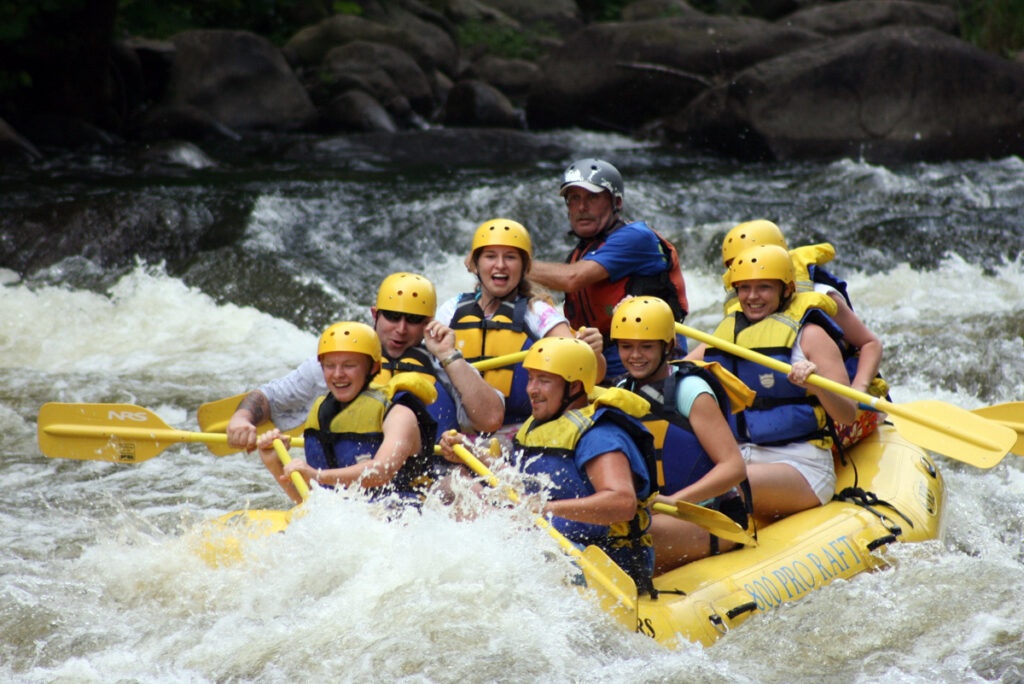
Proper preparation is key to staying comfortable on Colorado whitewater rafting trips. Mountain rivers stay cold (typically 45–55°F) even in midsummer, and you are guaranteed to get wet. Quick-drying layers and the right gear make a big difference.
Understanding Colorado Rafting Conditions
Cold water, changing mountain weather, and constant splashing mean cotton clothing is a bad idea — it stays wet and makes you feel colder. Focus on synthetic or merino wool fabrics that wick moisture and dry quickly.
What to Wear for Whitewater Rafting in Colorado
- Base layer: Moisture-wicking synthetic long-sleeve shirt or rash guard
- Insulation: Lightweight fleece jacket
- Outer layer: Waterproof splash jacket (many outfitters provide these, but your own ensures better fit)
- Wetsuit: Highly recommended in May–June or if you get cold easily. A 3mm or 4mm full or farmer john wetsuit adds significant warmth later in summer it may not be necessary.
Footwear
Wear closed-toe water shoes with good rubber soles and drainage, neoprene booties, or old athletic shoes with strong grip. Avoid flip-flops or sandals — they offer no support and can easily come off in the river.
Rafting Packing List: Essentials
Must-bring items:
- Quick-dry base layers and fleece
- Waterproof splash jacket
- Sturdy water shoes + synthetic/wool socks
- Sunscreen (water-resistant), lip balm with SPF, sunglasses with strap, hat
- Reusable water bottle
- Small dry bag or waterproof phone pouch
- Towel and full change of clothes for after the trip
Items usually provided by outfitters:
- Life jacket (PFD)
- Helmet
- Paddle
- Splash jacket (sometimes)
- Wetsuits (available for rent)
What NOT to Bring:
- Cotton clothing (jeans, hoodies, t-shirts)
- Expensive jewelry or watches
- Wallets with lots of cash
- Loose items that can fall in the river
- Cell phones without waterproof protection
Pro Tips Prepare your rafting clothes the night before. Wear your rafting outfit to the put-in and leave dry clothes in the car. Families should pay extra attention to keeping kids warm — younger children often feel cold faster.
By dressing appropriately and following a solid packing list, you’ll stay comfortable and focused on enjoying the beautiful mountain scenery and exciting rapids.
For the complete rafting packing list, detailed clothing recommendations, and more cold-water tips, see: What to Wear and Bring for Whitewater Rafting in Colorado
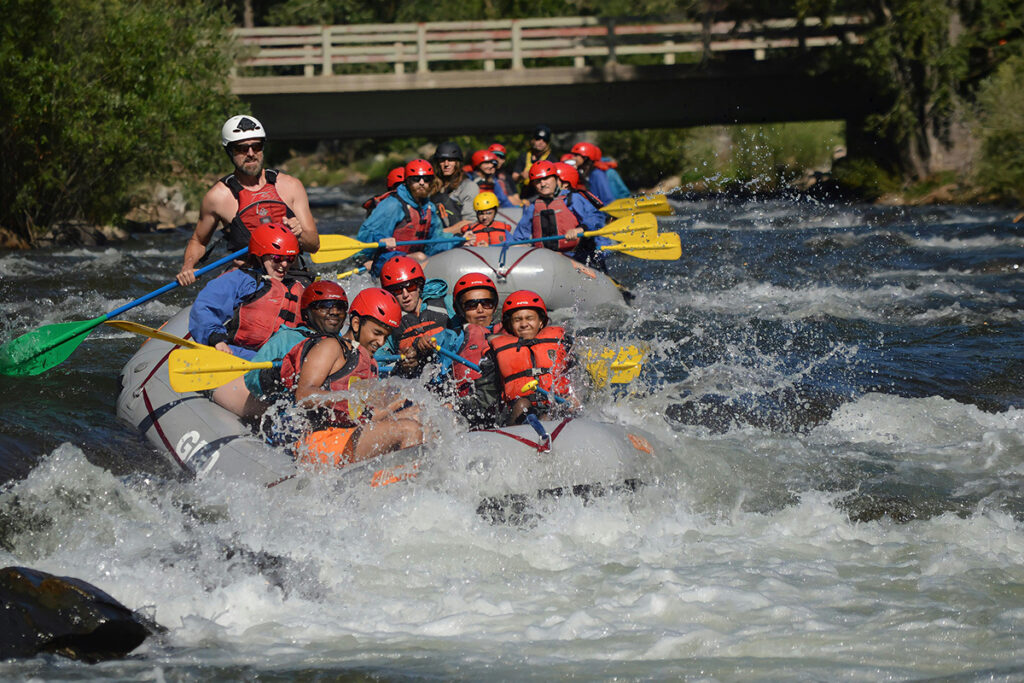
8. Is Whitewater Rafting in Colorado Safe? (Risks + Tips)
Is whitewater rafting safe in Colorado? This is one of the most common questions from families and first-timers. The short answer: Yes — when you make smart choices.
Like any adventure sport, rafting carries inherent risks, including falling out of the raft, swimming through rapids, and colliding with obstacles. However, commercial guided trips on popular Colorado rivers have a strong safety record when participants follow instructions.
How Dangerous Is Whitewater Rafting in Colorado?
Risk level depends heavily on:
- Whether you choose a guided or self-guided trip
- The river section and difficulty level
- Water levels (higher early-season flows increase difficulty)
- Your group’s preparation and experience
Most accidents occur on private/self-guided trips where groups attempt sections beyond their skill level or skip proper safety protocols. Guided commercial trips significantly reduce risk through experienced guides, proper equipment, and daily condition assessments.
Guided Rafting Safety Advantages
Professional outfitters in Colorado are licensed and their guides are trained in swiftwater rescue, first aid, and CPR. They provide:
- Thorough safety briefings and paddle commands
- Properly fitted life jackets and helmets
- Real-time route decisions based on current conditions
- Quick rescue capabilities if someone falls in
Guided trips are especially recommended for beginners, families, and mixed-experience groups.
Essential Rafting Safety Tips
- Always choose guided trips if you’re new to rafting or traveling with children
- Listen carefully to the safety briefing and practice commands
- Wear your life jacket and helmet correctly at all times
- Be honest about your swimming ability and experience level
- Dress properly for cold water (layers + wetsuit when needed)
- Avoid alcohol before or during the trip
- Follow your guide’s instructions without exception
- Know basic swimmer position: feet downstream, head up, arms across chest
Matching the river difficulty to your group’s actual ability is one of the most important safety decisions you’ll make. Beginner-friendly sections like Bighorn Sheep Canyon and Clear Creek offer fun with much lower risk than expert runs like Royal Gorge.
With proper preparation and respect for the river, Colorado whitewater rafting is a safe and incredibly rewarding experience for thousands of visitors every summer.
For a deeper look at real risks, detailed safety protocols, and more tips, read: Is Whitewater Rafting in Colorado Safe? (Risks + Tips)
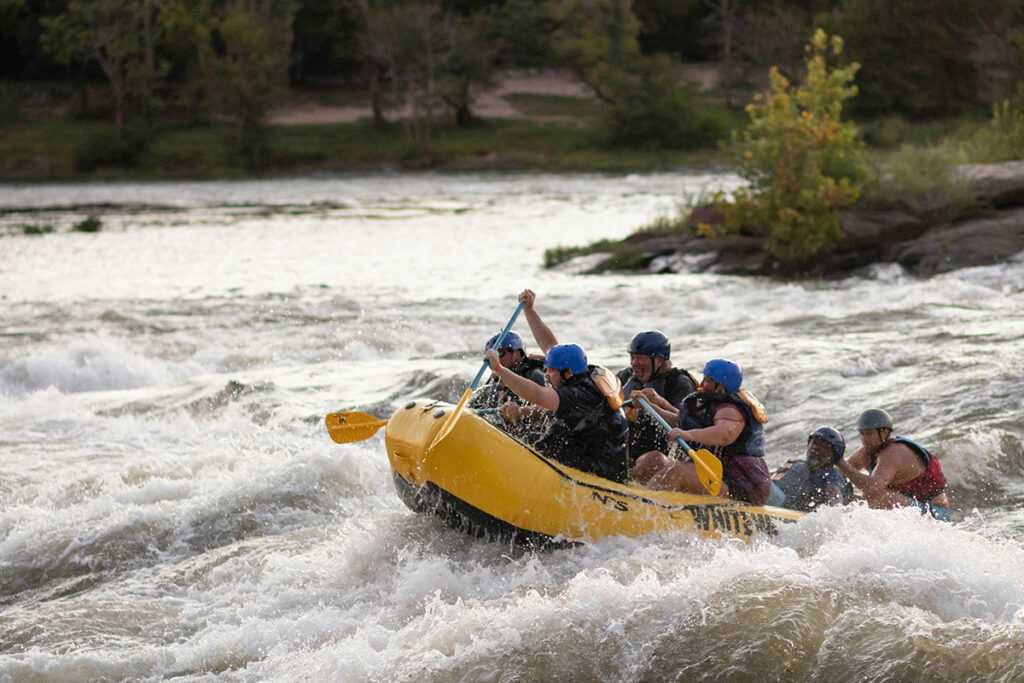
9. Guided vs Self-Guided Rafting in Colorado: What You Need to Know
One of the biggest decisions when planning Colorado whitewater rafting is whether to go with a guided trip or self-guided (DIY) rafting.
Guided Rafting in Colorado
Pros:
- Highest safety level, especially for beginners and families
- Professional guides handle navigation, safety, and logistics
- All equipment provided (rafts, PFDs, helmets, paddles)
- Educational commentary about the river and scenery
- No need to arrange shuttles or permits yourself
Cons:
- Higher cost per person
- Less flexibility with timing and group size
- You may paddle less if the guide is rowing
Guided trips are the best choice for the vast majority of visitors — particularly first-timers, families, and anyone without significant whitewater experience.
Self-Guided (DIY) Rafting in Colorado
Pros:
- Lower cost (no guide fees)
- Complete flexibility — set your own pace and schedule
- Greater sense of achievement for experienced paddlers
Cons:
- Much higher responsibility for safety, navigation, and emergency response
- You must provide or rent all equipment and arrange shuttles
- Requires strong whitewater skills, river-reading ability, and swiftwater rescue knowledge
Self-guided rafting is only recommended for experienced groups who have paddled Class III+ whitewater before and understand the risks. Colorado does not require a guide for most private day trips on popular sections, but you are fully responsible for your own safety.
Guided vs Self-Guided: Quick Decision Guide
- Choose guided if: You’re a beginner, traveling with kids, have mixed experience levels, or simply want a stress-free, safe experience.
- Consider self-guided if: Your entire group has solid whitewater experience, you’re comfortable with risk and logistics, and you want more freedom.
Popular rivers like the Arkansas River (Browns Canyon, Bighorn Sheep Canyon) and Clear Creek support both options, while technical sections like Royal Gorge or the Upper Animas are best done guided unless you’re highly experienced.
No matter which style you choose, proper preparation, appropriate river selection, and respect for current conditions are essential for a safe and memorable trip.
For a full comparison including cost details, permit information, and planning tips for both options, see: Guided vs Self-Guided Rafting in Colorado: What You Need to Know
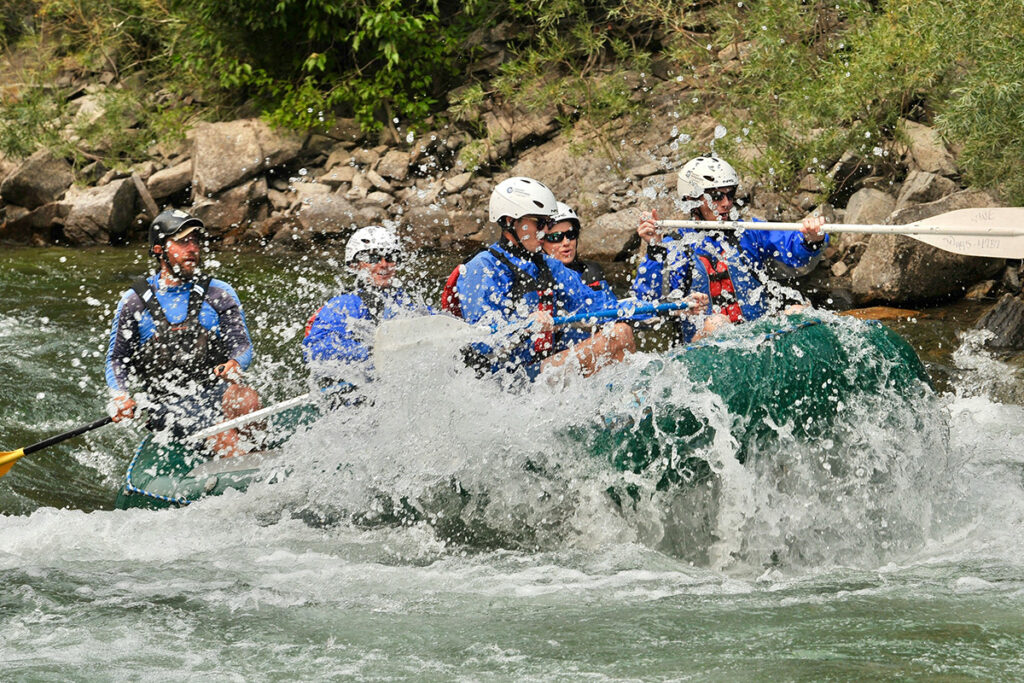
10. Top Colorado Rafting Destinations (Towns & Regions)
Choosing the right base can make or break your Colorado whitewater rafting trip. The state’s top rafting destinations combine excellent river access with charming mountain towns, hot springs, dining, and other summer activities.
Here are the standout Colorado rafting destinations and regions:
Rafting Near Denver (Clear Creek / Idaho Springs)
Just 30–45 minutes west of Denver via I-70, Clear Creek is one of the most convenient options for visitors staying on the Front Range. The river offers beginner to advanced sections through a scenic forested canyon with historic mining vibes. Idaho Springs makes an excellent base with hot springs, restaurants, and easy access back to Denver for airport travelers or city explorers. This area is perfect for half-day trips when you want to combine rafting with other mountain activities.
Arkansas River Valley (Buena Vista, Salida & Cañon City)
This is the heart of Colorado whitewater rafting for many visitors. The Arkansas River provides over 100 miles of varied sections:
- Browns Canyon National Monument → Classic Class III–IV rapids with stunning granite cliffs
- Bighorn Sheep Canyon → Gentle Class II–III ideal for families
- Royal Gorge & The Numbers → World-class Class IV–V runs for experienced rafters
The towns of Buena Vista and Salida offer adventure hubs with breweries, art galleries, hot springs, and access to the Collegiate Peaks for hiking. Cañon City serves as the gateway to the dramatic Royal Gorge. This region is roughly 2–3 hours from Denver or Colorado Springs and works well for multi-day stays.
Glenwood Springs & Upper Colorado River
Located about 2.5–3 hours west of Denver, Glenwood Springs combines thrilling rafting on the Upper Colorado River (including Shoshone Rapids) with famous hot springs pools. The dramatic Glenwood Canyon setting is breathtaking. This destination pairs beautifully with visits to nearby Aspen or Vail, making it ideal for a well-rounded summer mountain vacation.
Durango & the Animas River (Southwest Colorado)
In the San Juan Mountains, Durango offers a mix of relaxed Lower Animas floats (Class II–III) right through town and more challenging Upper Animas runs for experts. The historic narrow-gauge railroad, vibrant downtown, and proximity to Mesa Verde and mountain trails make Durango a fantastic multi-activity base.
Other Notable Areas
- Cache la Poudre River near Fort Collins (northern Colorado)
- Sections near Kremmling on the Upper Colorado for more remote scenery
Planning Tip: Many visitors start with a convenient Clear Creek trip near Denver before heading to the Arkansas River Valley or Glenwood Springs for a longer stay. Prioritize lodging close to the river for minimal drive time.
Each destination has its own personality — from convenient day trips to immersive mountain town getaways.
For detailed recommendations on where to stay, what to do before and after rafting, and region-specific tips, read our full guide: Top Colorado Rafting Destinations (Towns & Regions)
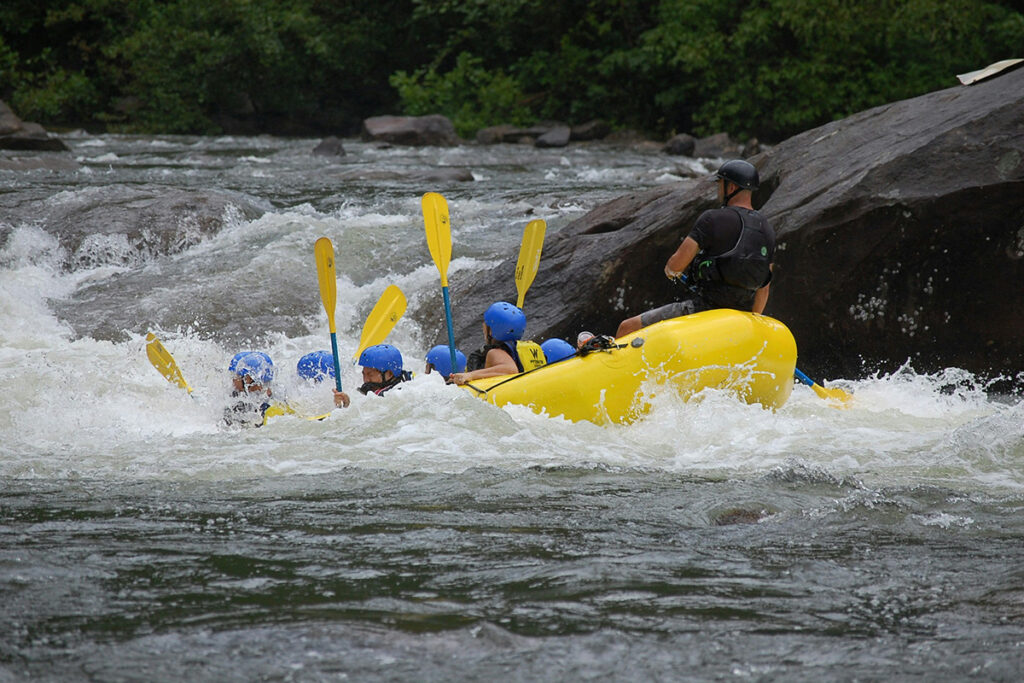
11. Planning Your Perfect Colorado Whitewater Rafting Trip
Now that you understand the rivers, seasons, costs, safety, and destinations, here’s a practical step-by-step planning framework to create your ideal Colorado whitewater rafting experience.
Step-by-Step Planning Checklist
- Assess Your Group Consider ages, swimming ability, experience level, and thrill tolerance. Families with young kids should prioritize Class II–III sections; adrenaline seekers can target Class IV–V.
- Choose the Right Time
- Max thrill & big water → Late May to mid-June (note: 2026 has lower-than-average snowpack, so high-water windows may peak earlier and drop faster).
- Best overall balance → July
- Warmer water, milder rapids, fewer crowds & better value → August to early September
- Select River & Difficulty Level Use the decision factors from Section 3: proximity to Denver, group composition, and desired intensity. Match the section to everyone’s comfort level.
- Decide Guided vs Self-Guided Most visitors (especially beginners and families) should choose guided trips for safety and convenience. Experienced paddlers may prefer self-guided for flexibility and lower cost.
- Set Your Budget Expect $65–$110 per person for half-day guided trips and $120–$200 for full-day. Factor in gear rentals, transportation, lodging, and food. Book weekdays or shoulder dates to save money.
- Book Early & Prepare Popular dates in June and July fill quickly. Reserve several months ahead. Review what the outfitter provides versus what you need to bring (see gear section).
Best Rafting in Colorado by Traveler Type
- First-timers & families near Denver → Clear Creek (half-day) or Bighorn Sheep Canyon
- Families with older kids → Browns Canyon or Upper Colorado River
- Adrenaline seekers → Royal Gorge or The Numbers
- Relaxed scenic trips → Lower Animas or late-season floats
- Budget-conscious travelers → Weekday half-day trips on Clear Creek or Arkansas River milder sections
Common Mistakes to Avoid
- Underestimating cold water temperatures
- Choosing a section that’s too difficult for the group
- Booking a full-day trip when a half-day would be more enjoyable
- Waiting too long to book peak-season dates
- Bringing cotton clothing or loose valuables
Building a Full Colorado Summer Vacation
Rafting pairs perfectly with hot springs soaks, scenic drives, hiking, mountain biking, or exploring charming towns like Salida and Glenwood Springs. Many visitors plan 3–5 nights in a rafting town for the best experience.
With this framework, you can confidently plan a safe, fun, and memorable trip tailored to your group.
12. Frequently Asked Questions (FAQ)
Is Colorado rafting safe for beginners?
Yes. Guided trips on Class II–III sections (such as Bighorn Sheep Canyon or Clear Creek) are very safe when you follow instructions and choose reputable outfitters. Professional guides handle navigation and safety.
When is the best time to go whitewater rafting in Colorado?
It depends on your goals. Late May–mid-June for biggest thrills, July for the best overall balance of fun and comfort, and August–early September for warmer weather and milder rapids. In 2026, lower snowpack may compress the high-water season, so check current conditions with outfitters.
What is the minimum age for rafting in Colorado?
Typically 6–8 years old for beginner/family sections, 8–12 for milder Class II–III trips, and 12–14+ for more exciting sections. Policies vary by river and daily water levels.
How much does whitewater rafting in Colorado cost?
Half-day guided trips usually range from $65–$110 per person. Full-day trips run $120–$200. Prices are lower on weekdays and in shoulder season.
Do I need a wetsuit for rafting in Colorado?
Recommended in May–June due to cold water. Later in summer, base layers, fleece, and a splash jacket are often sufficient, though many people still rent wetsuits for comfort.
What should I wear and bring rafting?
Focus on quick-dry synthetic layers, sturdy closed-toe water shoes, sunscreen, and a dry bag. Avoid cotton clothing. Outfitters provide life jackets, helmets, and paddles.
Is it better to go guided or self-guided?
Guided trips are strongly recommended for beginners, families, and anyone without significant whitewater experience. Self-guided is best for skilled groups seeking more flexibility.
What class rapids are in Colorado?
Most commercial trips run Class II–IV. Class V sections exist but are reserved for experienced rafters.
What to expect rafting in Colorado?
Expect cold water, beautiful mountain scenery, splashes, and a mix of excitement and calm sections. Guided trips include safety briefings and professional navigation.
Best rafting near Denver?
Clear Creek near Idaho Springs offers the most convenient access with options for all skill levels.
13. Colorado Whitewater Rafting Deals
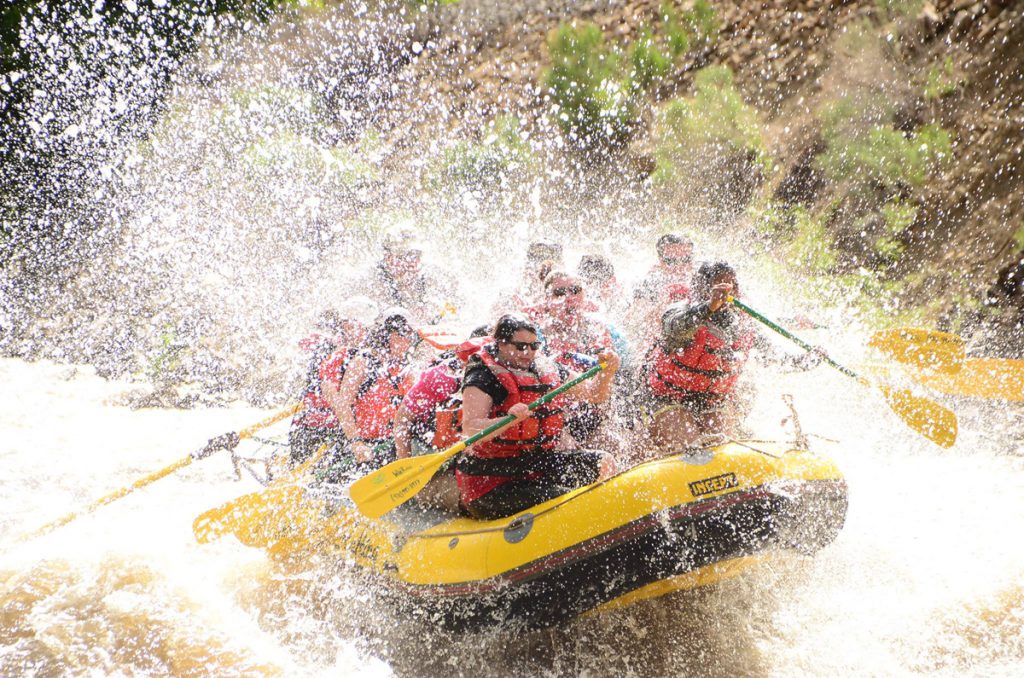
Colorado whitewater rafting delivers an unbeatable mix of adrenaline, stunning Rocky Mountain scenery, and unforgettable memories. Whether you’re looking for a gentle family float on the Arkansas River, a thrilling run through Royal Gorge, or a convenient half-day trip near Denver, the state offers world-class options for every skill level and travel style.
From understanding difficulty levels and choosing the best time, to preparing the right gear, staying safe, and picking the perfect destination, this Ultimate Guide to Colorado Whitewater Rafting gives you everything you need to plan a successful trip with confidence.
The key to a great experience is matching the river, difficulty, timing, and trip style to your group’s abilities and goals. With thoughtful planning and respect for the river, Colorado whitewater rafting can easily become one of the highlights of your summer mountain vacation.
Ready to book your adventure? You can find the best whitewater rafting deals in Colorado — including discounts, promo codes, and money-saving packages — on our website. Browse our current deals database to make your rafting trip more affordable without compromising on quality or safety.
Be sure to explore our in-depth supporting guides for even more details:
- Best Rivers for Whitewater Rafting in Colorado
- Colorado Rafting by Skill Level
- When Is the Best Time…
- And all the other specialized guides linked throughout this page.
Thanks for reading — now get out there and enjoy the rapids! The Rockies are waiting.