Gold Medal Fishing in the Roaring Fork Valley
The Roaring Fork Valley fishing scene stands out as one of Colorado’s premier summer destinations for anglers seeking world-class trout waters amid stunning Rocky Mountain scenery. Set between Aspen and Glenwood Springs, this vibrant valley features pristine rivers, abundant wildlife, and charming towns that make it ideal for a memorable summer vacation. With its Gold Medal fisheries, the Roaring Fork Valley delivers exceptional Roaring Fork Valley fishing opportunities that attract fly-fishers from around the globe.
Roaring Fork Valley fishing combines thrilling catches with outdoor recreation, relaxation, and easy access to mountain amenities. Summer brings stable river flows after spring runoff, prolific insect hatches, and long days perfect for casting lines or exploring nearby trails. Discover why this region earns its reputation as a top spot for summer vacations in the mountains—and how you can save big with deals on lodging, gear, and experiences.
Put It On Your Bucket List
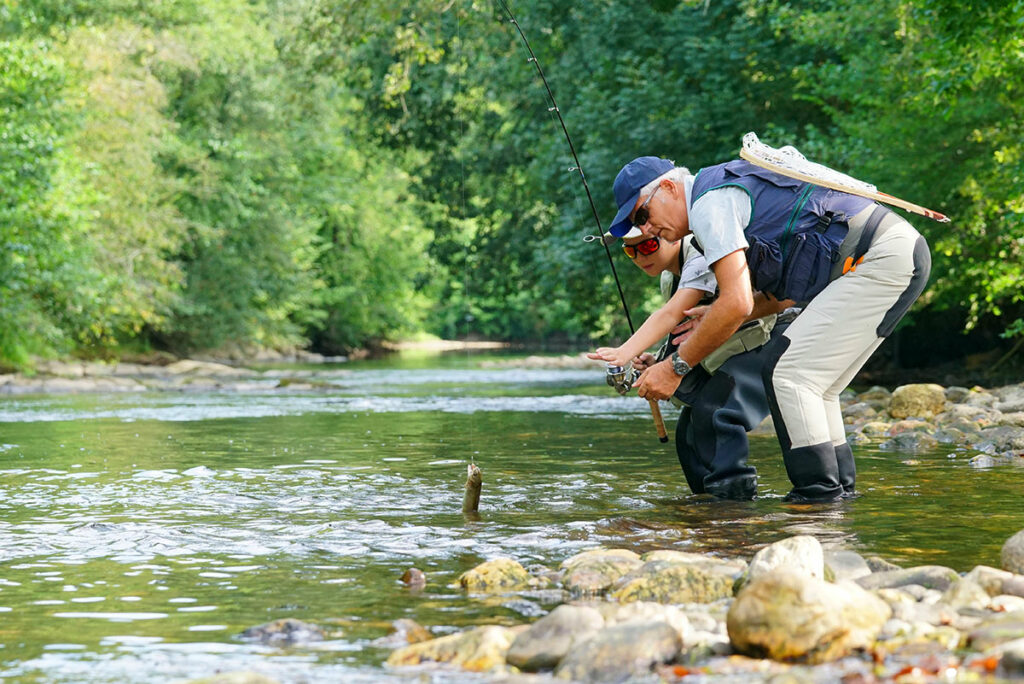
The Roaring Fork Valley stretches about 50 miles along Highway 82, encompassing towns like Aspen, Snowmass Village, Basalt, Carbondale, and Glenwood Springs. This corridor offers diverse Roaring Fork Valley fishing experiences across multiple rivers, all supported by healthy ecosystems and thoughtful management by Colorado Parks and Wildlife (CPW).
Gold Medal waters in Colorado must produce at least 60 pounds of trout per acre and at least 12 trout measuring 14 inches or longer per acre. The valley boasts one of the state’s longest continuous Gold Medal stretches. It has over 40 miles when combining sections of the Roaring Fork and its tributaries. This designation highlights the consistent quality and quantity of fish, making Roaring Fork Valley fishing reliable even during peak summer months.
Summer conditions enhance the experience. By late June or early July, flows stabilize after snowmelt, water clarity improves, and hatches like Green Drakes, Golden Stones, caddis, and Pale Morning Duns explode. Early mornings and evenings often provide the best dry-fly action, while midday nymphing or streamer fishing works well in deeper pools. Water temperatures stay trout-friendly if you fish smart. Aim for early sessions before afternoon heat or thunderstorms roll in.
Beyond the rod, the valley shines as a summer vacation hub. Visitors enjoy hiking wildflower-filled trails, mountain biking the Rio Grande Trail, whitewater rafting, gondola rides, and exploring local arts scenes in Aspen or the legendary hot springs in Glenwood. Charming base towns provide fly shops, guided trips, restaurants, and accommodations ranging from luxury resorts to cozy cabins. It’s perfect for mixing Roaring Fork Valley fishing with family-friendly mountain fun.
Fishing the Roaring Fork River
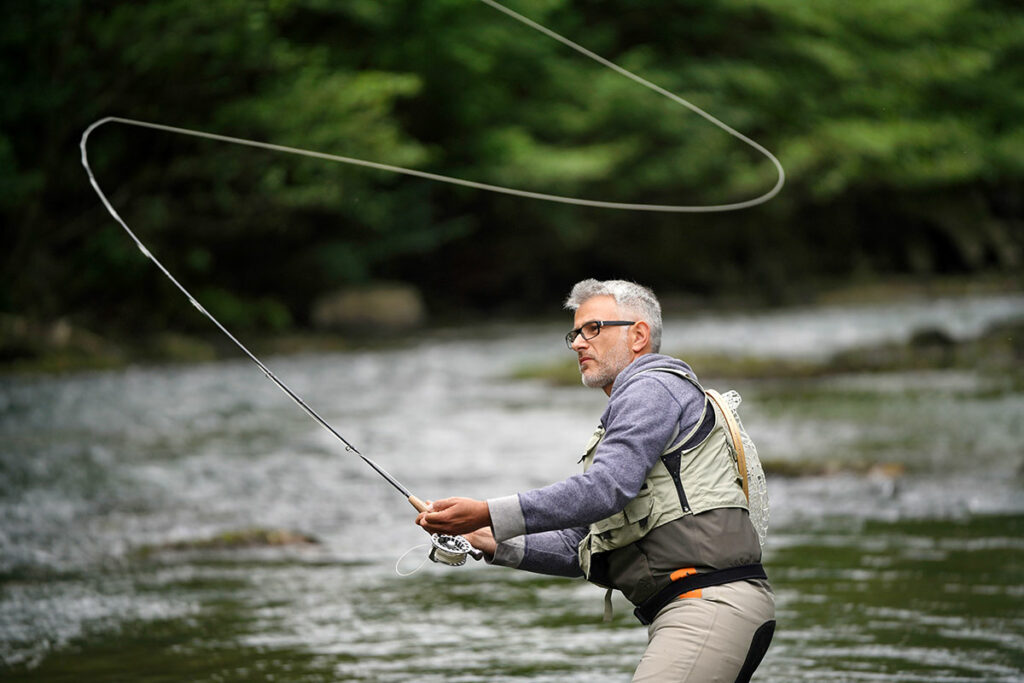
The Roaring Fork River forms the backbone of Roaring Fork Valley fishing. It spans roughly 70 miles from high above Aspen near Independence Pass down to its confluence with the Colorado River in Glenwood Springs. This freestone river supports robust populations of wild brown, rainbow, cutthroat, and brook trout, plus mountain whitefish.
Gold Medal designation covers significant stretches, including from Basalt downstream through Carbondale to Glenwood Springs (about 22–28 miles in the prime lower sections, with additional protected areas upstream). The middle Roaring Fork (Basalt to Carbondale) features slower runs and larger pools ideal for float fishing early in summer, transitioning to excellent wade access by late July as levels drop. The lower section near Carbondale and Glenwood offers meandering water with some of the river’s biggest trout—fish in the 5- to 8-pound range aren’t uncommon.
Anglers love the variety: riffles for dry flies during hatches, deep pools for nymphs, and swift currents that challenge your casting. Public access points abound, including the Rio Grande Trail, state wildlife areas like Bob Terrell and Sam Caudill/West Bank, and spots in Basalt and Carbondale. Many visitors combine wading with drift-boat floats for full-day adventures.
Summer Roaring Fork Valley fishing on the Fork peaks with the famous Green Drake hatch in late June to early July. Stoneflies and terrestrials add excitement later in the season. The river’s scenic backdrop—towering peaks of the Elk Range, aspen groves, and dramatic canyons—makes every cast feel immersive. After fishing, unwind in nearby towns with farm-to-table dining or a stroll through historic districts.
Fishing the Fryingpan River
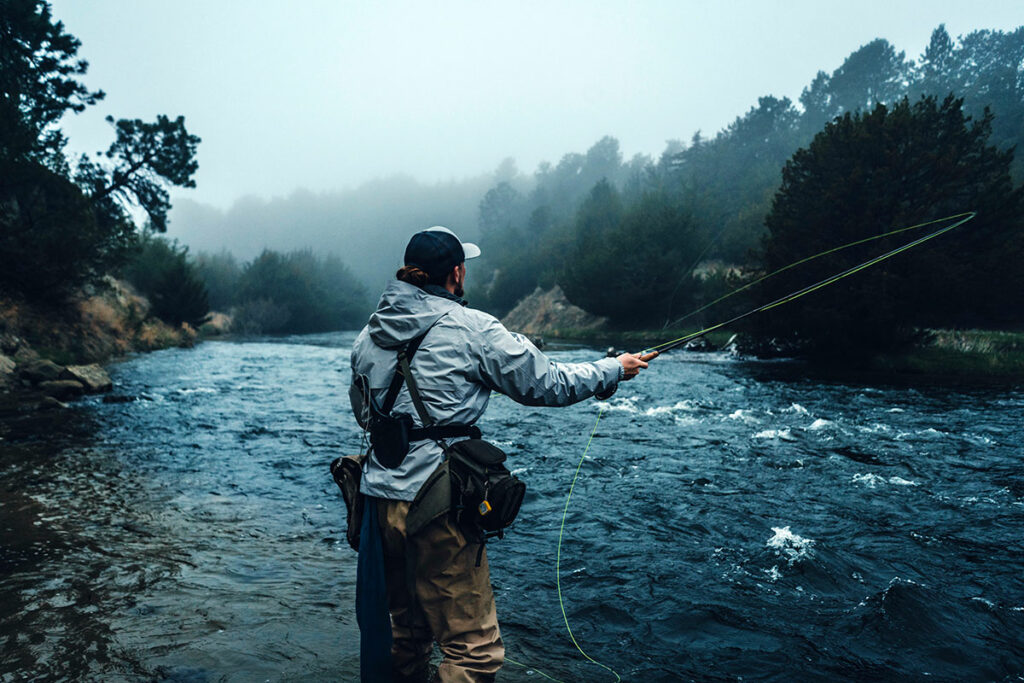
No discussion of Roaring Fork Valley fishing is complete without the Fryingpan River. This renowned tailwater flows about 14 miles from Ruedi Reservoir Dam (east of Basalt) downstream to its confluence with the Roaring Fork. It holds Gold Medal status throughout this stretch and is famous for its dense trout populations—often exceeding 5,000 fish per mile in prime areas—with strong brown trout (the majority) and some rainbows.
The “Fryingpan” earns its reputation for large, selective trout that test even experienced anglers. Regulations emphasize conservation: fly/lure only in the Gold Medal section, catch-and-release for rainbows, and limited harvest for browns (two fish max, 14 inches). The tailwater below the dam, including the popular “Toilet Bowl” hole, produces hefty fish thanks to consistent cold flows and abundant aquatic insects.
Summer offers superb technical fishing. Nymphing with small, imitative patterns shines in swift currents, while dry-fly action during hatches rewards precise presentations. The remote canyon setting—rugged cliffs, evergreen forests, and vibrant fall foliage (though summer greens dominate)—adds serenity. Access is excellent via Forest Road 105, with plenty of pullouts for wade fishing.
Many visitors base in Basalt, right at the confluence, for convenient Roaring Fork Valley fishing on both the Fryingpan and Roaring Fork. The area’s fly shops, like those in Basalt and Glenwood Springs, provide local intel, gear rentals, and guided trips tailored to summer conditions.
Fishing the Crystal River
The Crystal River adds another dimension to Roaring Fork Valley fishing. Flowing over 30 miles from headwaters near Marble down to its confluence with the Roaring Fork just below Carbondale, this free-flowing river offers pocket water, riffles, runs, and deep holes.
While not fully Gold Medal designated like its neighbors, the Crystal supports healthy rainbow, brown, and cutthroat trout, plus abundant mountain whitefish. It receives annual stocking of catchable rainbows, and larger fish migrate up from the Roaring Fork. Much of the river through Carbondale is publicly accessible. It is very family-friendly for wading or short sessions.
Summer fishing here feels intimate and varied. Clear waters from alpine sources support rich insect life, and the scenic canyons and meadows provide peaceful backdrops. It’s an excellent option when the mainstem Roaring Fork runs higher or for anglers seeking less crowded water. Carbondale serves as a perfect hub, with easy drives to the Fryingpan (about 15 minutes) and other valley attractions.
Trip Planning Tips
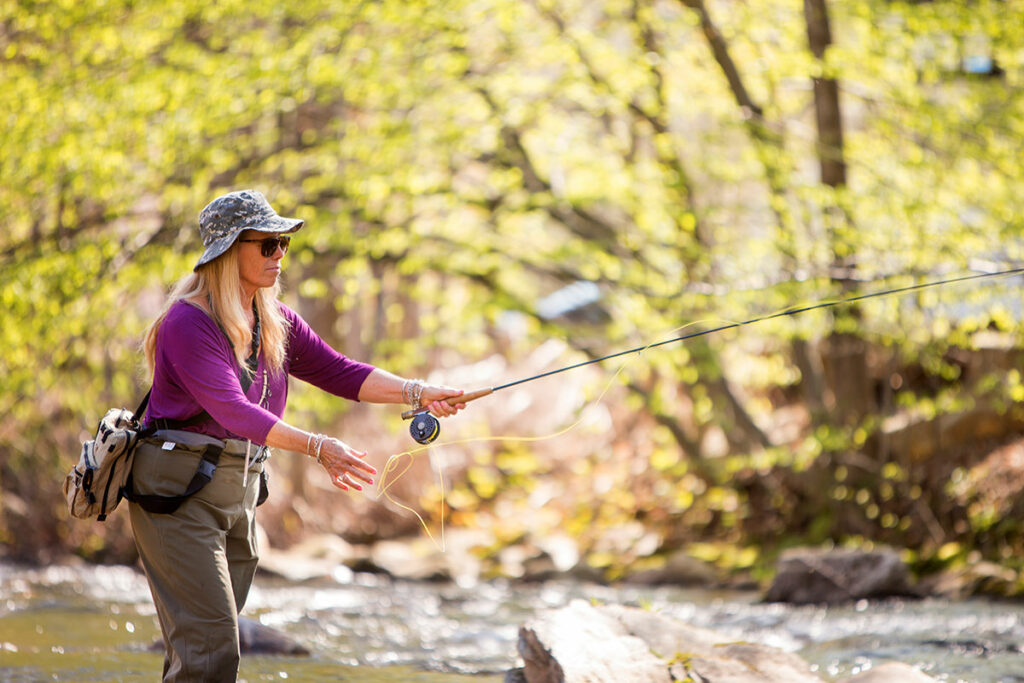
Here are some essential planning tips and other things to consider:
To maximize Roaring Fork Valley fishing, book guided trips. Local outfitters provide insider knowledge on hatches, access points, and techniques.
Bring essential gear. You will need a 4–6 weight rod, floating line, plenty of dry flies and nymphs, waders, and polarized sunglasses.
Always check current river flows and regulations. Use Colorado Parks and Wildlife (CPW) resources. Summer thunderstorms or heat can change fishing conditions quickly.
Non-fishing companions will enjoy many activities. Hike to the Maroon Bells amid wildflowers in full bloom. Bike the 42-mile Rio Grande Trail along the river. Go rafting on the Roaring Fork or Colorado River. Ride the gondola for alpine adventures in Aspen or Snowmass.
The valley’s towns offer great variety. Enjoy upscale dining in Aspen. Experience relaxed vibes in Carbondale. Soak in the hot springs of Glenwood Springs.
Accommodations suit every style. Choose riverside cabins, vacation rentals, or resorts with pools and spas. These options work perfectly for multi-day summer vacations.
Many properties sit minutes from prime fishing spots. Fish in the morning. Explore the area in the afternoon.
Conservation keeps Roaring Fork Valley fishing strong for years to come. Practice catch-and-release where required. Respect private property. Follow Leave No Trace principles.
Roaring Fork Valley Fishing Deals
Ready to cast your line in one of Colorado’s most celebrated fisheries? Search our current Colorado summer deals today to save on your next Roaring Fork Valley fishing trip. Simply click on your destination to search all of our current deals, discounts and promo codes. Find discount codes and promo deals on lodging, vacation rentals, guided experiences, and more.
Related Blogs
Oh, we love Colorado in the summer! Want to learn why? We have plenty of reasons. Check out these related blog posts for more insights and saving tips.